OST: Architecture Conflict Occupation
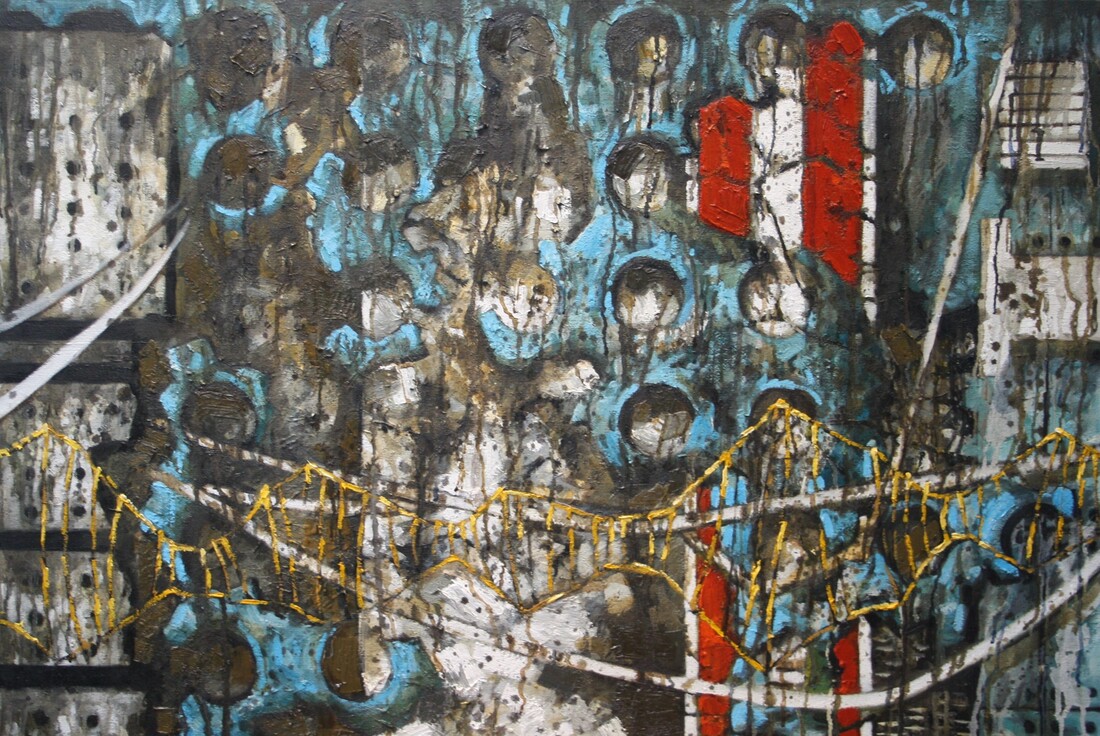
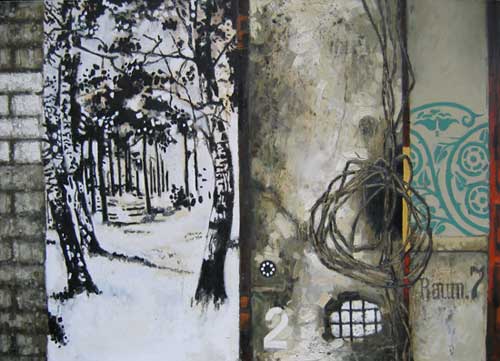
Untitled: 2013
95 x 67cm
oil on canvas
“The painting has the dry and dusty taste of rotten plaster and cement. The space is ambiguous, flattened by a series of grid like circles that punctuate the course grey surface of the painting. The regularity of the numerous circles may give reference to an industrial process [or building] and to a space beyond, voids into light, void into darkness”.
Ian Cale, diary entry 20th August 2018
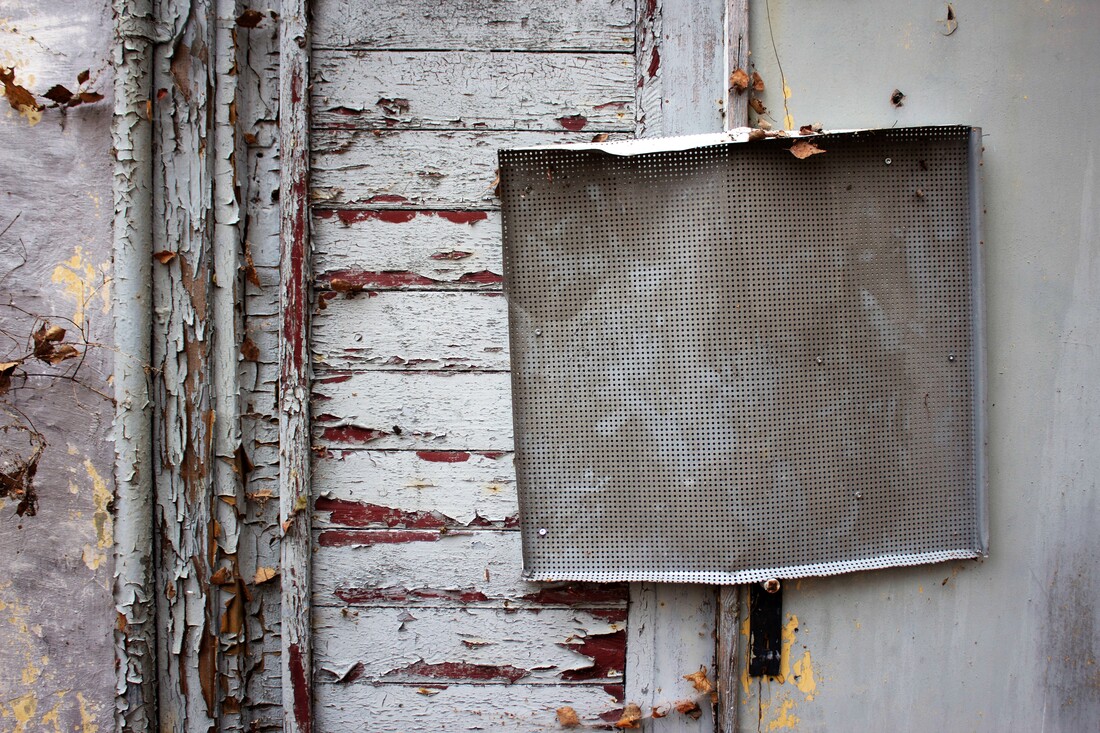
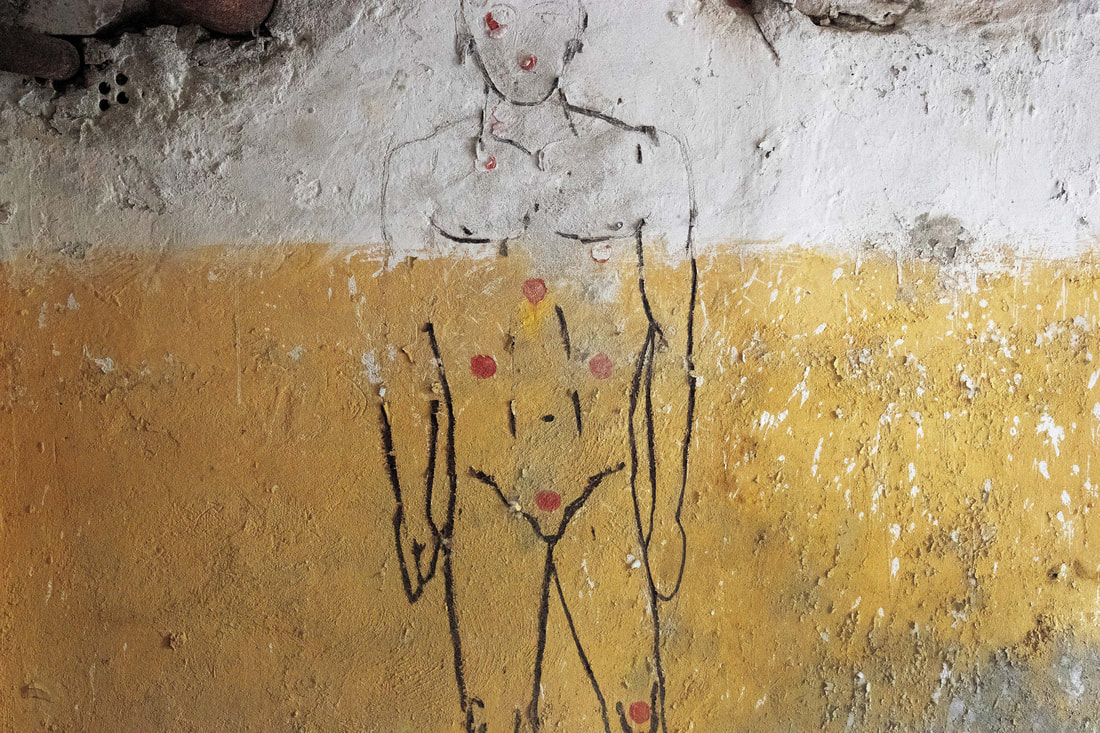
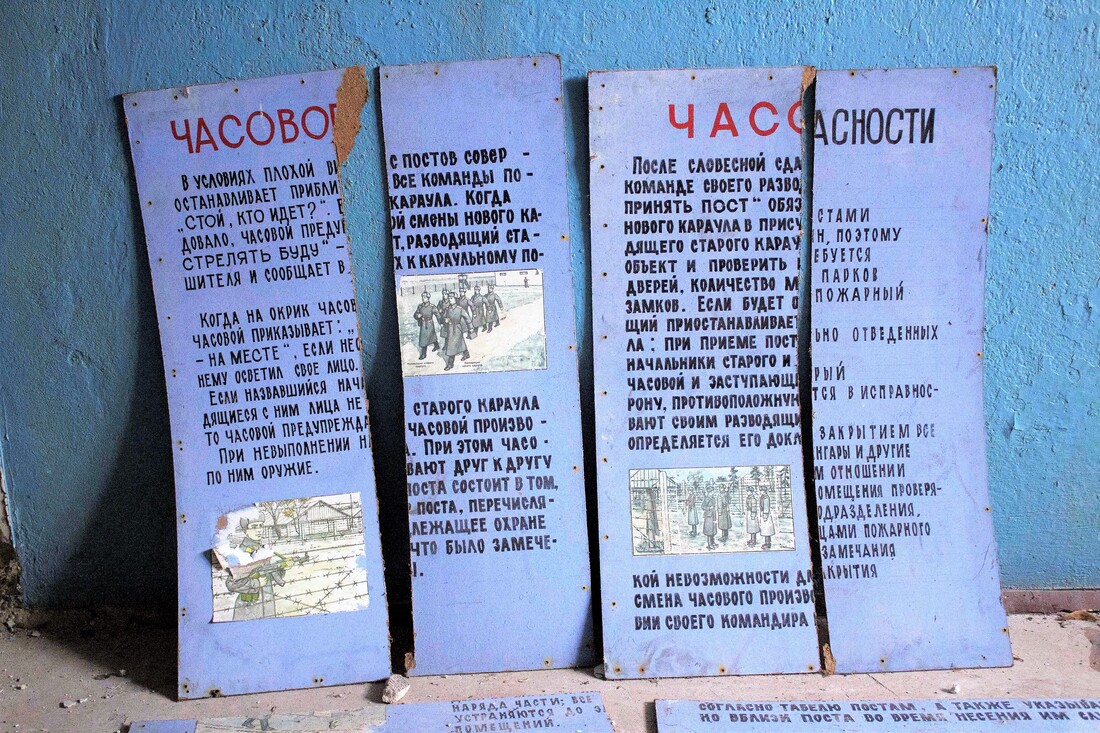
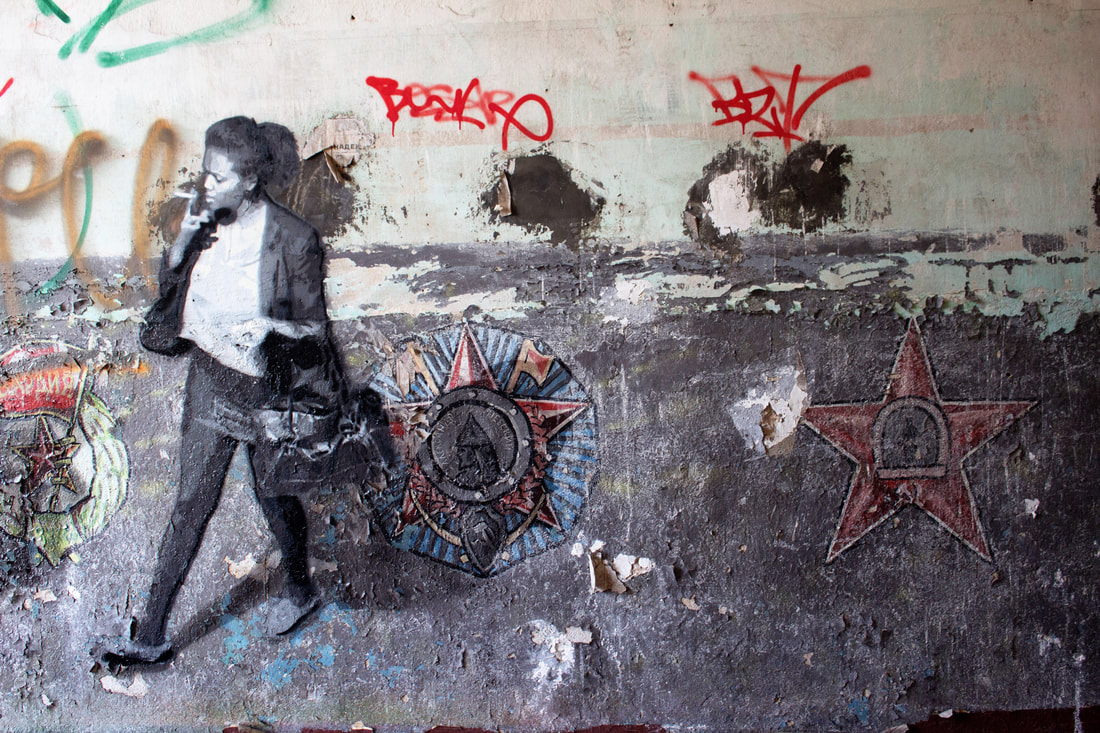
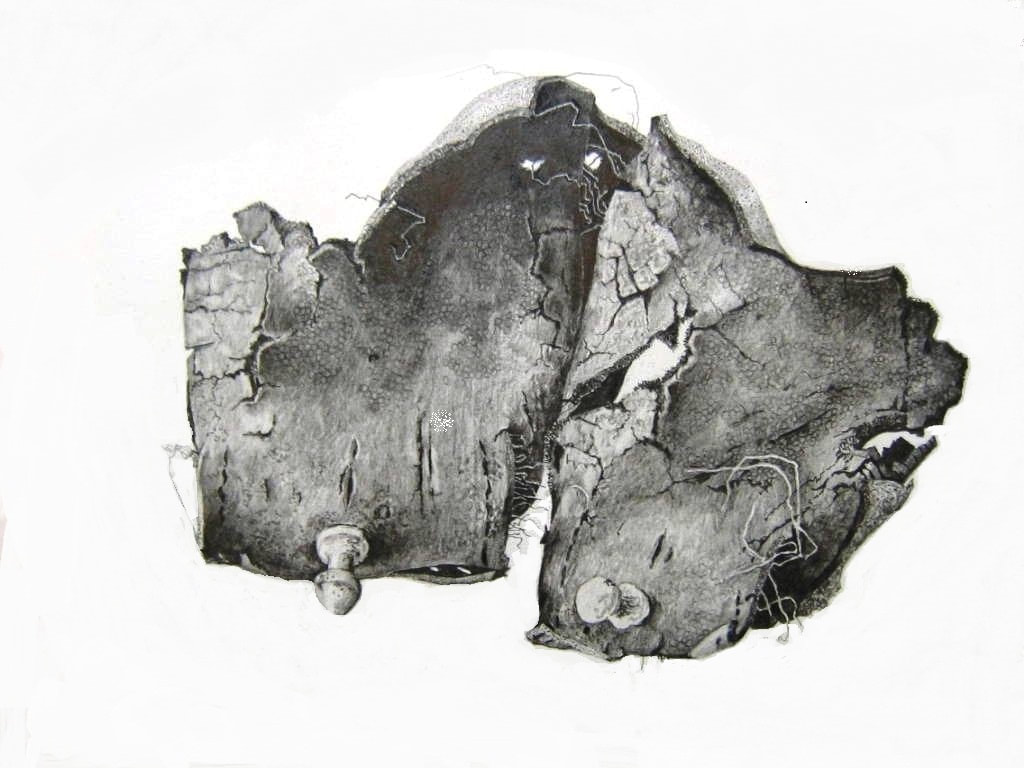
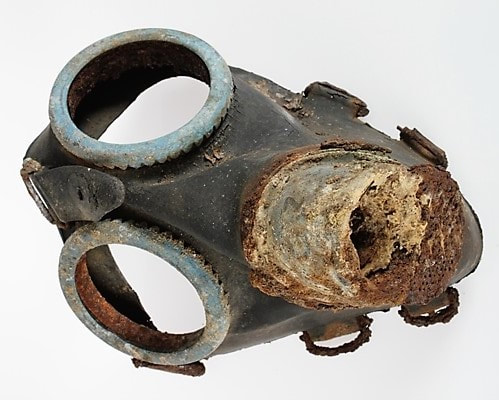
The paintings are often constructed of several elements, experiences and memories of what I have witnessed whilst working on location in Germany. The physical process of making a painting allows me to fully investigate and reflect upon of what I have discovered in the fading architectural locations in and around Berlin. Specific colours, motifs and marks are brought together with intangible memories such as smells and sounds.
The production of the paintings takes months, however by working on several pieces at any one time enables me to transfer elements and surfaces from one and apply it to another. This ‘cut and paste’ process gives the body of work its cohesion. Familiar shapes and motifs can be traced back through earlier work like a family tree.
Ian Cale, diary entry 20th August 2018
The paintings are often constructed of several elements, experiences and memories of what I have witnessed whilst working on location in Germany. The physical process of making a painting allows me to fully investigate and reflect upon of what I have discovered in the fading architectural locations in and around Berlin. Specific colours, motifs and marks are brought together with intangible memories such as smells and sounds.
The production of the paintings takes months, however by working on several pieces at any one time enables me to transfer elements and surfaces from one and apply it to another. This ‘cut and paste’ process gives the body of work its cohesion. Familiar shapes and motifs can be traced back through earlier work like a family tree.